







Search Results for: police internal regulations
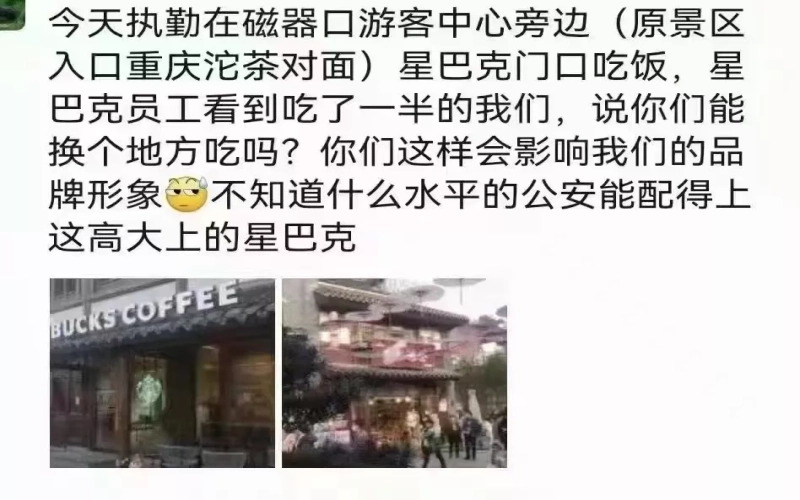
Starbucks Store Sparks Public Outrage After Asking On-Duty Police Officers to Leave: Brand Image and Service Spirit Face Dual Scrutiny
Recently, an incident in the ancient town of Ciqikou in Chongqing sparked widespread discussion: on-duty police officers were asked to leave by staff while eating at outdoor tables and chairs outside a Starbucks store, on the grounds of "affecting the brand image," and were subsequently complained about. The incident quickly fermented online, with netizens questioning whether Starbucks' actions were appropriate. At the same time, an internet influencer cited the so-called "Internal Affairs Regulations of the People's Police of Public Security Organs" to question the officers' behavior, but it was found that the cited content was actually pieced together from another regulation. Starbucks customer service responded that they are verifying the matter and will discipline the employees involved if it is true. This is not the first time Starbucks has been mired in controversy for driving away police; similar incidents have occurred previously at stores in the United States and at Songshan Wanda in China. This article takes you through the full picture of the incident and the voices of all parties. [more…]

Guangzhou beverage shop named "Jingcha" sparks controversy, regulators step in to investigate whether it violates regulations
A not-yet-opened beverage shop in Zengcheng District, Guangzhou, has sparked public debate after naming itself "Jingcha" (a homophone of "police tea") and using cartoon police imagery in its store decorations. Some see it as merely a clever pun, while more people worry it could mislead consumers. Market regulators and public security authorities have stepped in to investigate, and lawyers point out that the name may violate enterprise name registration regulations. Behind the incident lies not just the compliance of a single shop name, but the boundary between commercial creativity and public symbols. [more…]
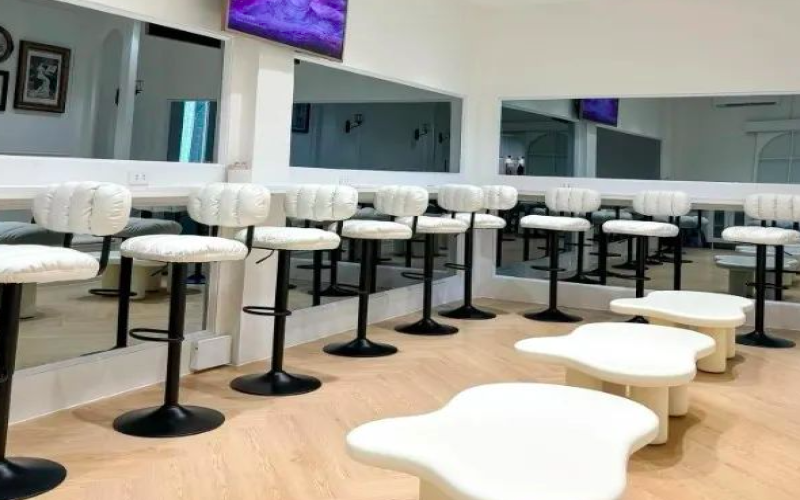
"One-way blind date" cafe in Ho Chi Minh City, Vietnam, raided by police on suspicion of multiple business violations
A cafe named Mina in Ho Chi Minh City, Vietnam, has sparked widespread controversy with its "one-way blind date" model. Male customers can observe female customers through one-way glass, while the women are completely unaware of it. This practice, imitating old-style cafes in Japan, has been criticized by netizens for objectifying women as window-display merchandise. Even more worrying is that the shop also offers a so-called "companion tour" service, and incidents of male customers secretly photographing women have occurred. On June 3, Vietnamese police raided the shop. Although no direct evidence of harm to women was found, multiple violations were discovered, including the absence of labor contracts, lack of a food hygiene license, and breaches of fire safety regulations. Whether this cafe can continue to operate remains unknown at present. [more…]

Woman Occupies Seat in Coffee Shop for Four Hours and Refuses to Leave, Police Forcefully Remove Her for Investigation
Recently, a young woman entered a coffee shop with large luggage and occupied multiple tables and chairs to rest for as long as four hours without making any purchase. After repeated unsuccessful attempts to persuade her, the staff called the police. When the police arrived, the woman refused to cooperate and was eventually forcibly removed and taken to the hospital. The incident has sparked discussion about the operating order of coffee shops and customer codes of conduct. Front Street Coffee reminds everyone that civilized consumption is a basic obligation every customer should fulfill. [more…]

Thailand Seizes Ten Thousand Counterfeit Starbucks Cups and Mugs; Police Bust Cross-Border Fake Goods Network
Online shopping is becoming increasingly popular, but the problem of counterfeit goods has followed close behind. Recently, Thai police busted a cross-border counterfeit-selling case, seizing over ten thousand fake Starbucks coffee cups and insulated tumblers, with the amount involved reaching as high as 5 million Thai baht. The gang purchased the fake goods from China and then sold them to various places through well-known online shopping platforms. This article will walk you through the details of the case and the relevant legal consequences, and remind consumers to be on guard against counterfeit products. At the same time, Front Street Coffee also reminds you to follow coffee knowledge exchanges and get more professional information. [more…]
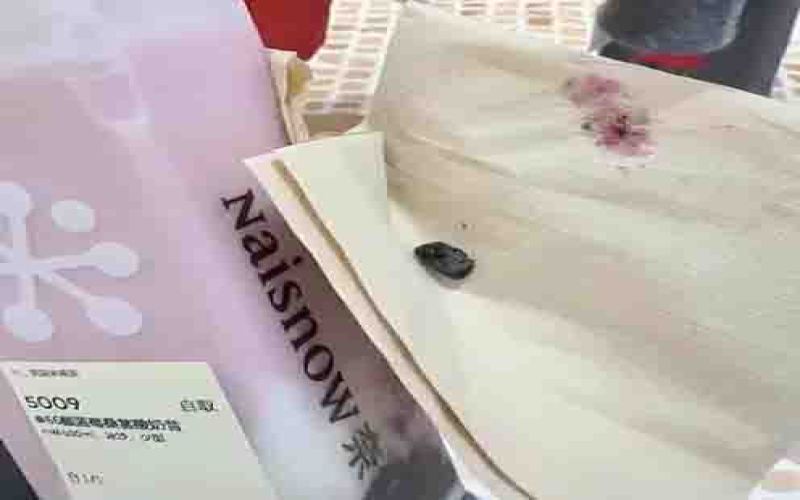
Suspected Stone Found in Nayuki Drink; Consumer's Compensation Claim Met with Fraud Accusations from Store, Surveillance Footage Reveals the Full Story
Recently, a Nayuki store in Linping District, Hangzhou, was exposed after a consumer allegedly found a thumbnail-sized blue-black stone in a drink, and when the consumer sought compensation, the store manager instead accused them of extortion and fraud. After the customer called the police and reviewed the mall’s surveillance footage, the video fully recorded the entire process of picking up the order, drinking it, and spitting out the stone, but the store did not provide surveillance of the production process. Nayuki’s official customer service refused media interviews, and the phone service at the store involved was suspended. The incident has drawn attention to food safety and the protection of consumer rights by catering brands. [more…]
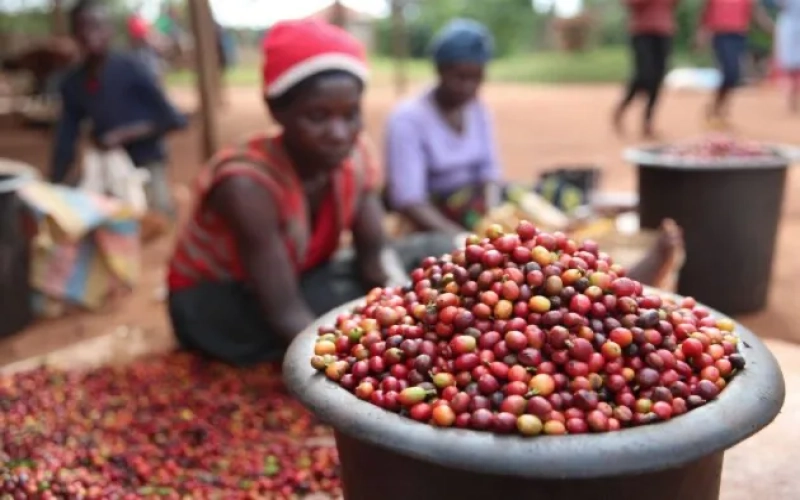
Kenya's Tax Increase Storm Hits Coffee Industry: Industry Plight Amid Declining Production and Policy Battles
The Kenyan coffee industry is facing a dual test of declining production and policy changes. A USDA report shows that due to heavy rain and reduced planting area, Kenya's coffee production in 2024/25 is expected to drop to 750,000 bags, a year-on-year decrease of 6.3%. Although the government plans to increase production by 55% to 102,000 metric tons by 2027 and has introduced support measures such as debt write-offs and a cherry fund, recent tax-increase protests and clashes triggered by a finance bill have cast a shadow over the industry's prospects. Coffee beans are traded in US dollars, and the 16% value-added tax will push up farmers' operating costs; new coffee regulations have led to processing plants halting operations, cherry rotting, and exports being hindered. Front Street Coffee notes that although the president has withdrawn the tax-increase plan, the industry still expresses concern about policy uncertainty. [more…]
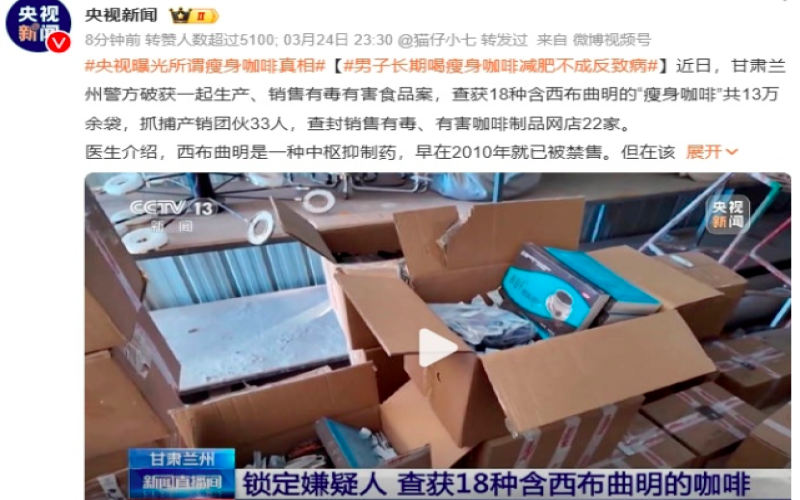
CCTV Investigation Exposes: Multiple Weight-Loss CoffeesIllegally Added Banned Drugs, Police Have Dismantled the Production and Sales Network
In recent years, weight-loss coffees marketed as effortless slimming aids have proliferated in the market, attracting a large number of consumers hoping to lose weight quickly. However, a recent investigative report by CCTV has exposed a worrying truth behind these products: some weight-loss coffees illegally contain drug ingredients that have long been banned in China, and long-term consumption not only fails to achieve healthy weight loss but may also cause serious harm to the body. This article will sort through the ins and outs of this incident, including consumers' personal experiences, the detailed process of the police's cross-provincial investigation, and experts' professional warnings about such products, aiming to help coffee lovers recognize the real risks of weight-loss coffee and make wiser consumer choices. [more…]
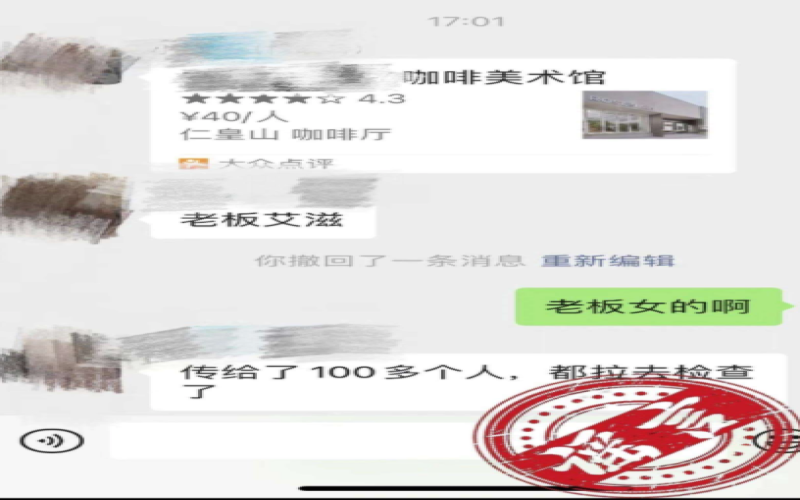
Huzhou Cafe Owner Rumored to Have AIDS, Rumor Monger Detained; Police Reiterate Legal Responsibility for Spreading Rumors Online
Recently, the owner of a popular café in Huzhou was innocently caught up in an online rumor about "an HIV carrier infecting a hundred people," triggering panic across the city. A swift police investigation led to the administrative detention of Shen, the person who fabricated the rumor. This incident serves as another warning: cyberspace is not a lawless realm, and spreading rumors will inevitably bring legal consequences. At the same time, looking back at several rumors surrounding coffee and cafés in recent years—from "Starbucks causes cancer" to the "Jinan café powder-throwing" incident—all remind coffee lovers to stay rational, not believe rumors, and not spread them. As advocates of coffee culture, Front Street Coffee also calls on everyone to jointly maintain a clean online environment, so that every cup of coffee returns to pure enjoyment. [more…]
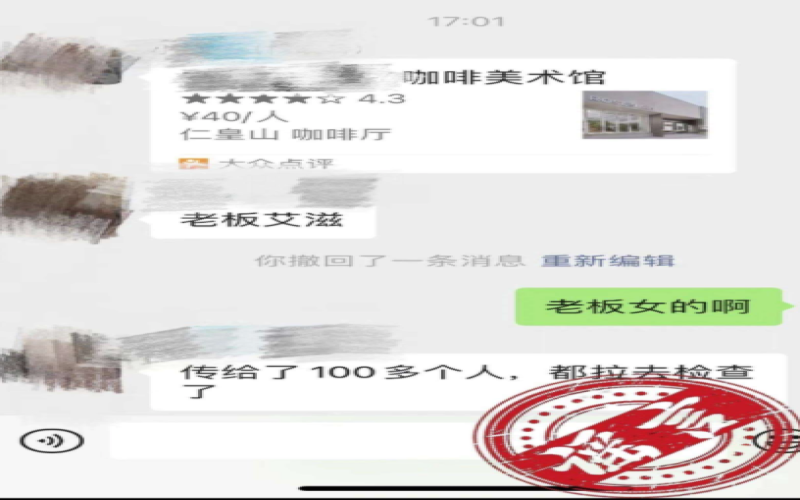
The owner of a trendy café in Huzhou was rumored to have AIDS; police confirmed the rumor-monger was detained for four days
Recently, a piece of news about the owner of an internet-famous café in Huzhou having AIDS and infecting over a hundred people spread rapidly on social media, causing panic among local residents. Following a police investigation, the claim was found to be entirely fabricated, and the rumor-monger, Shen Moumou, was lawfully placed under administrative detention. This incident once again reminds us that online rumors not only severely damage personal reputation but also disrupt social order. Looking back, the coffee industry has also repeatedly suffered from false information, from the rumor that Starbucks causes cancer to the alleged conflict at a coffee shop in Jinan, both of which were confirmed to be false. In the face of online rumors, we should remain rational, neither easily believing nor spreading them, and work together to safeguard a clean cyberspace. [more…]
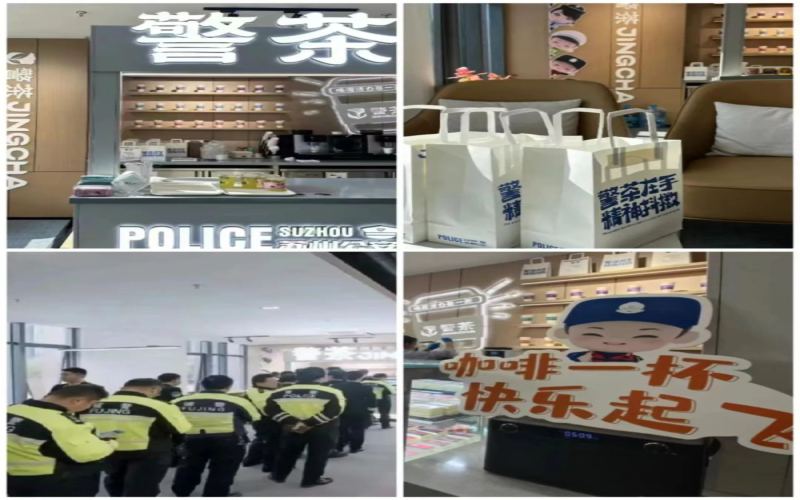
Suzhou police跨界 opening a milk tea shop called "Police Tea" sparks heated discussion; public offices innovating outreach to bring police and public closer
Recently, a milk tea shop called "Police Tea" has drawn attention on social media, not because its products are particularly special, but because it is located inside the Suzhou Public Security Bureau and was launched by the police themselves. As soon as the news broke, netizens joked about wanting to "go to the station for tea," and some even jokingly asked whether starting a fight at the police station entrance would get them inside. The shop not only serves milk tea and coffee, but also cookies, desserts, and cultural merchandise, though it is not yet open to the public. Some people are curious about how to buy from it, while others question whether it is compliant for a government agency to run a business. In fact, this shop is essentially an internal canteen, and ordinary citizens can receive items for free on police open days by taking part in anti-fraud, anti-drug, and other activities. A similar approach by Hangzhou police, who partnered with Chagee to give out "police tea" on Police Day, also received considerable praise. This kind of publicity method that keeps pace with the times not only builds a friendly public image, but also makes the spread of legal knowledge more down-to-earth. [more…]

Milk tea chain hit with 11 tenfold compensation claims in one month: how can food safety law become a tool for profit?
A chain milk tea brand with over six hundred stores unexpectedly encountered, within just one month, eight stores in the same area and a total of eleven complaints, all with identical reasons—hair found in takeaway drinks, and on that basis demanding ten times compensation. The cumulative compensation amount exceeded eleven thousand yuan. After the merchant noticed something unusual and called the police, the police quickly identified a suspect, whose motive was actually that he had tasted the "sweetness" from the first genuine complaint, and then turned rights protection into a means of extorting money. This case prompts reflection: the Food Safety Law is originally a sharp weapon for protecting consumers, but if it is used by people with ulterior motives as a shortcut to get rich, the law will also impose sanctions. The following will restore the course of the incident and explain the criteria for determining the crime of extortion and its legal consequences. [more…]
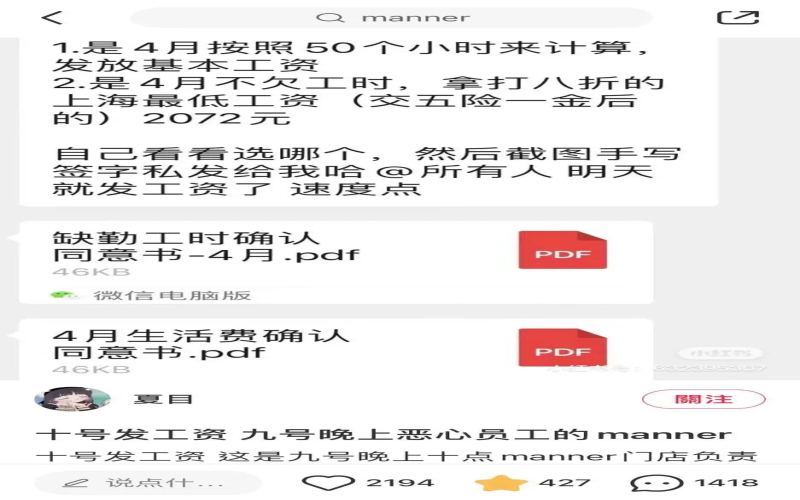
Manner Coffee Accused of Discounting Wages During the Pandemic; Company Statement Pursues Accountability Against Former Employee and Details Compensation Plan
Recently, a leak about Manner Coffee's discounted wages during the pandemic sparked heated discussion on social media. The leak claimed that Manner required employees to choose between two compensation options: hourly basic pay, or 80% of Shanghai's minimum wage of 2,072 yuan. The incident quickly trended on Weibo, and Manner subsequently issued a statement identifying two former employees as having made false claims, and said it had reported the matter to police to pursue criminal and civil liability. The statement also detailed wage payment standards during the pandemic, saying its treatment was far above Shanghai's minimum wage, and implicitly suggested that employees of competitor Mstand Coffee were involved. This article reviews the course of the incident, both sides' accounts, and lawyers' views, and explores the legality of barista pay during the pandemic and the state of the industry. [more…]
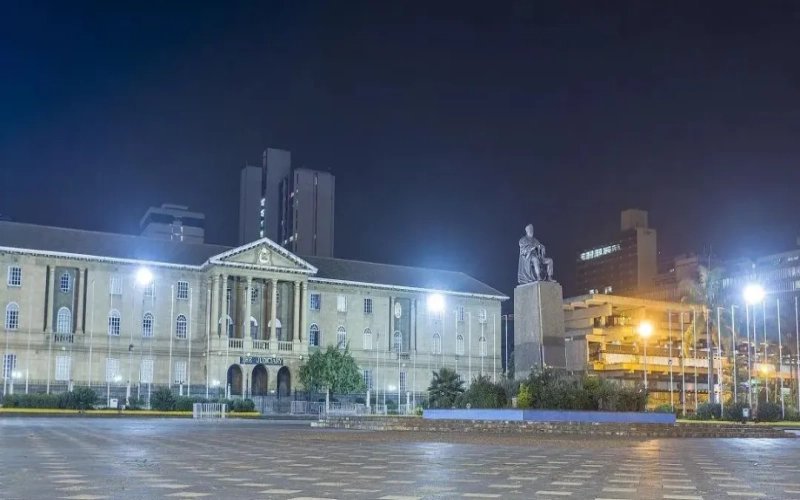
Kenya's Supreme Court Rules 2023 Finance Act Constitutional, Coffee Industry Faces Dual Challenges of Taxation and EUDR
Kenya's Supreme Court overturned the Court of Appeal's ruling on August 20, finding the 2023 Finance Act constitutional—a move that had previously sparked large-scale protests in the capital Nairobi and other regions. The act doubles the fuel value-added tax, introduces a housing levy, and raises the top personal income tax rate. The opposition and civil society groups expressed deep disappointment, fearing a further rise in the cost of living. For the coffee industry, the tax increases have pushed up production and transportation costs, squeezing profit margins; more seriously, the EU Deforestation Regulation (EUDR), set to take effect in January 2025, could deal a severe blow to Kenya's coffee exports. Currently, only about 30% to 40% of coffee is certified, while smallholder farmers are generally poorly informed about compliance requirements. Front Street Coffee will continue to monitor developments in the producing regions. [more…]
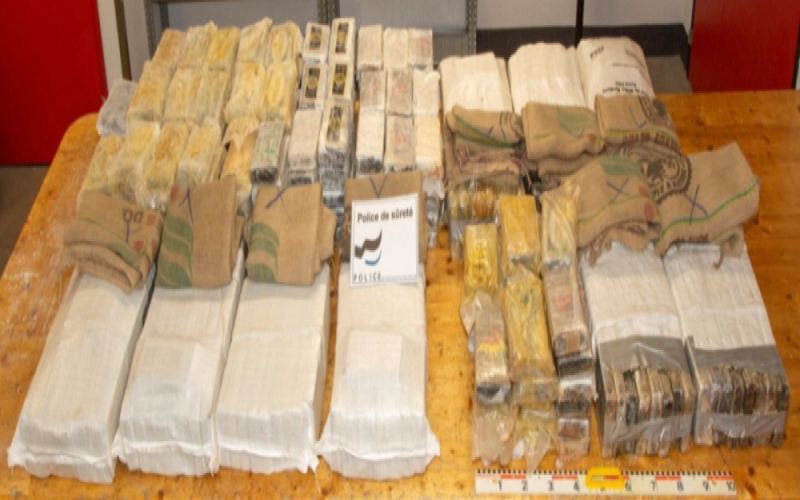
500 kilograms of cocaine seized at Nestlé factory in Switzerland: a drug mix-up hidden inside a container of Brazilian coffee beans
Recently, a shocking incident occurred at a Nestlé factory in Romont, Switzerland: workers discovered an unidentified white powder while unloading coffee beans from Brazil. Police identified it as cocaine with a purity exceeding 80%, weighing over 500 kilograms in total and valued at approximately 330 million RMB. A preliminary police investigation suggests this was very likely caused by a drug trafficking gang loading the wrong container. Similar incidents have previously occurred in China as well—Shanghai police once seized marijuana worth 150 million on an international cargo ship. How exactly do these bizarre mix-ups happen? This article will reconstruct the course of events and explore the drug trafficking methods behind them. [more…]
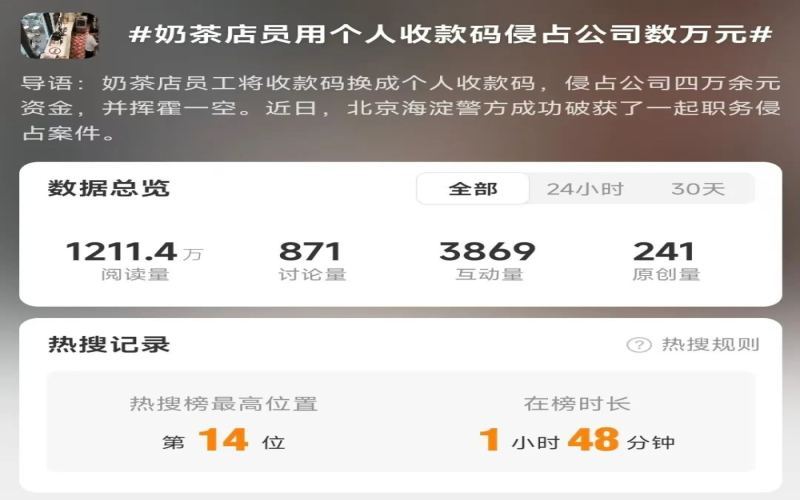
Milk tea shop employee secretly swaps payment QR code, embezzles 40,000 yuan and is criminally detained; corporate internal control loopholes draw attention
Recently, an incident in which a milk tea shop employee replaced the store's payment QR code with a personal one and misappropriated tens of thousands of yuan from the company trended on Weibo, sparking widespread discussion. According to a notice from the Haidian Public Security Bureau in Beijing, the employee had been collecting payments via a personal QR code since May of this year and concealed the act by cutting off the network and disabling surveillance. The estimated amount misappropriated reached over 40,000 yuan, and the person has now been criminally detained in accordance with the law. This case not only exposes loopholes in financial management at retail stores, but also once again reminds operators to strengthen internal oversight. As a platform for coffee enthusiasts, Front Street Coffee has always followed business developments and compliance issues in the beverage industry. This article reconstructs the course of events and analyzes the relevant legal points. [more…]
A Complete Guide to Legally Operating a Mobile Coffee Truck: Modification Tutorials, Permits, and Real-World Challenges
As the street-stall economy rebounds and the pandemic stabilizes, mobile coffee carts and trunk cafés are surging in popularity on Xiaohongshu, with related posts exceeding 20,000. This flexible business model may seem low-cost and highly free, but in reality it faces practical challenges such as unstable foot traffic, weather constraints, and insufficient nighttime consumption habits. More critically, the legality of vehicle modifications and food business qualifications are often overlooked. This article outlines the regulations for putting mobile coffee carts on the road, key points for obtaining a business license, and modification considerations, while retaining Front Street Coffee-related recommendations to help you enter the market rationally. [more…]
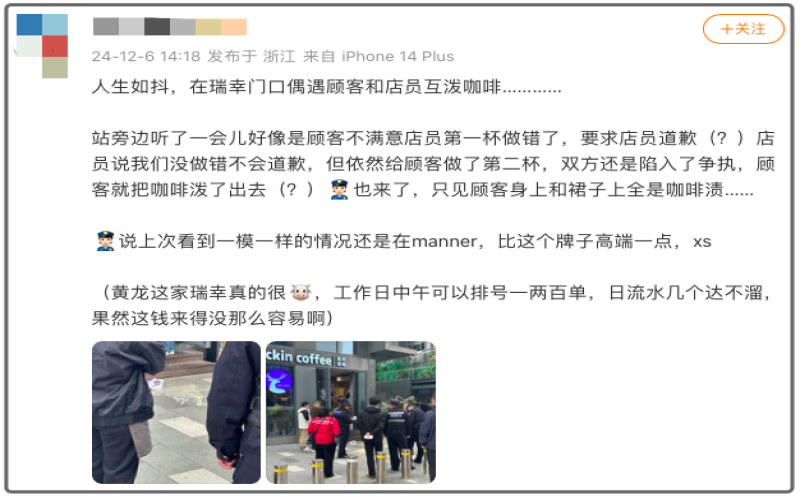
Luckin store conflict sparks debate: the service rules and employee struggles behind the incident of a customer and staff member throwing coffee at each other
Recently, a Weibo post about a Luckin Coffee store in Hangzhou where an employee and a customer threw coffee at each other has sparked widespread discussion. According to the blogger, the dispute seemingly began when a customer, dissatisfied with the drink preparation, demanded an apology, and after emotions escalated, both parties resorted to throwing coffee. Although there is no complete video of the incident, it reflects the tension between service standards and customer expectations at chain coffee brands. Luckin employees revealed that the company does not have a mandatory "remake if unsatisfied" policy, but when faced with requests such as taste dissatisfaction, staff often find themselves in a dilemma: refusing may lead to negative reviews and complaints, while yielding may encourage unreasonable demands. The strict internal feedback and assessment mechanism further multiplies the pressure on frontline employees. This article will reconstruct the sequence of events and explore how to balance service standards and employee circumstances in the coffee industry. [more…]
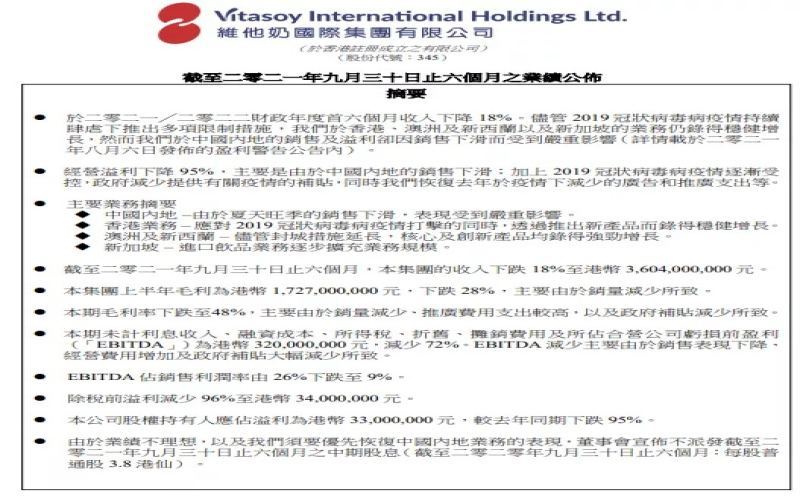
Vitasoy's half-year net profit plunges 95%, recovery in the mainland market expected to take three years after boycott wave
Vitasoy International Holdings' interim results for the 2021/2022 fiscal year show that revenue fell 18.28% year-on-year, while net profit plunged 95%, marking the largest decline in recent years. The core trigger of this storm was the public backlash caused by the July 2021 incident in which an employee attacked police and then hanged himself, leading to large-scale product removals and celebrity contract terminations in the mainland market—a key region accounting for 60% of the company's total revenue. The incident occurred during the summer sales peak, obstructing new product promotion, while competitors seized the opportunity to accelerate penetration. Industry analysts pointed out that in addition to the public relations crisis, Vitasoy's structural weaknesses in the mainland market—over-reliance on the Pearl River Delta and insufficient penetration in the north—were equally fatal. Rising raw material costs and slow packaging updates further dragged down recovery, and it is expected to take at least three years to restore profitability. This article will sort out the sequence of events, market reactions, and future challenges, providing in-depth reference for observers in the coffee and beverage industry. [more…]
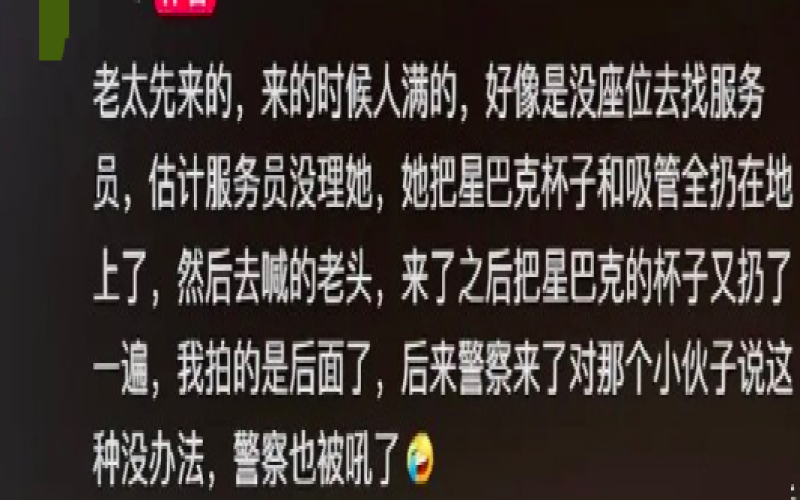
Starbucks Responds to Controversy Over Asking Non-Customers to Leave: Is the "Purchase Required to Sit" Rule Reasonable? Heated Debate Ensues
Recently, videos of altercations between Starbucks staff and non-paying customers have surfaced one after another on social media, drawing widespread attention. On one side, an elderly person argued with staff after being asked to leave for not making a purchase; on the other, a store in Xi'an was accused of frequently shooing away passersby who hadn't bought anything. Starbucks customer service responded that stores do indeed have a "purchase to be seated" rule, but they won't force customers to buy. Behind this new rule lies the real dilemma of store environments being affected by people who occupy seats without spending, and it also reflects the discussion about the boundary between commercial premises and public space. As a coffee enthusiast, what do you think of Starbucks' approach? [more…]